
Promissory notes, cheques and contracts form the basis of commercial and legal relationships today, yet they are also among the documents most frequently misused. Alterations made to such documents can be so skilful that even a professional eye may fail to notice them. This is exactly where forensic document examination and handwriting and signature examination help the law deliver justice.
Why Are Promissory Notes, Cheques and Contracts Examined?
Some of the documents forensic document examiners encounter most often are:
- Promissory notes (senet): They document debtor–creditor relationships. The most common types of forgery are imitated signatures, filling in blank promissory notes and changing the date or amount afterwards.
- Cheques: They are used as a means of payment, particularly in trade. Situations that lead to forensic examination include forged endorsements, erasures and scratch-outs on the cheque, and signature forgery.
- Contracts: They set out the rights and obligations of the parties. In disputes, questions such as “was this contract signed?” and “is the signature genuine?” frequently arise.
Each of these documents is analysed in detail using handwriting examination and technical document examination methods.
How Is Handwriting and Signature Examination Carried Out?
Every individual’s writing style and signature is unique. Signatures on documents such as cheques, promissory notes and contracts are of critical importance for personal identification and for exposing forgery.
Elements Examined:
- Letter form and direction
- Pen pressure
- Slant of the writing and line arrangement
- Rhythm and natural flow of the signature
Handwriting analysis comes into play here: the shape of each letter, the pressure of the stroke and the structure of the signature are part of the writer’s habits and reflexes. It should be remembered, however, that the writing analysis used in forensic document examination is distinct from traditional personality-oriented handwriting interpretation; the aim here is to determine who wrote the writing.
Forensic Document Examination in Practice: Cases
🔹 Case 1 – Filling In a Blank Promissory Note:
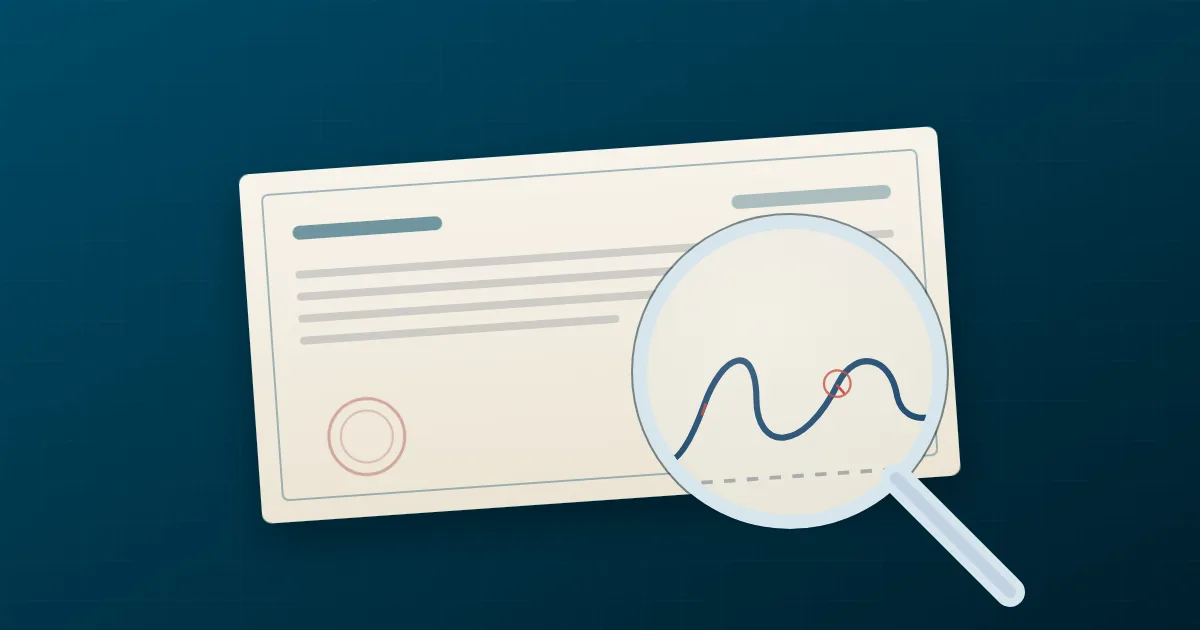
The debtor claims that the figure on the promissory note was changed afterwards. The examiner analyses differences in pen type, pressure and ink between the digits. It is established that the digit “4” was added later and written with a different pressure. This shows that the promissory note was altered.
🔹 Case 2 – Forged Cheque Signature:
A company cheque was paid, but it was alleged that the endorsement signature on the back did not belong to the company’s authorised signatory. A comparison is made with handwriting samples. The examiner finds that the signature departs from the writer’s habitual direction of movement and bears traces of imitation. The court orders the cheque to be returned.
🔹 Case 3 – Claim That a Contract Was Never Signed:
One of the parties argues that the contract is a photocopy and that the signature was added afterwards. The examination reveals, from differences in the tone of the writing and from the impression on the paper, that the signature was not placed on the original document.
The Legal Process in Turkey and Expert Opinions
Article 67 of the Code of Criminal Procedure (CMK), Article 293 of the Code of Civil Procedure (HMK). These provisions and numerous decisions of the Turkish Court of Cassation (Yargıtay) state that, especially on matters requiring special and technical knowledge, an “expert opinion” report submitted to the court by a party must be taken into account and evaluated by the court where it relates to the subject matter of the case.
As the provisions and Court of Cassation decisions cited show, parties may consult certified experts on matters in their case that require special and technical knowledge, obtain an “expert opinion” from them and submit it to the court as material evidence. Forensic document examination reports are accepted by the court as evidence.
What Does an Expert Report Contain?
- The type of document examined (cheque, promissory note, contract, etc.)
- Description of the questioned and comparison documents
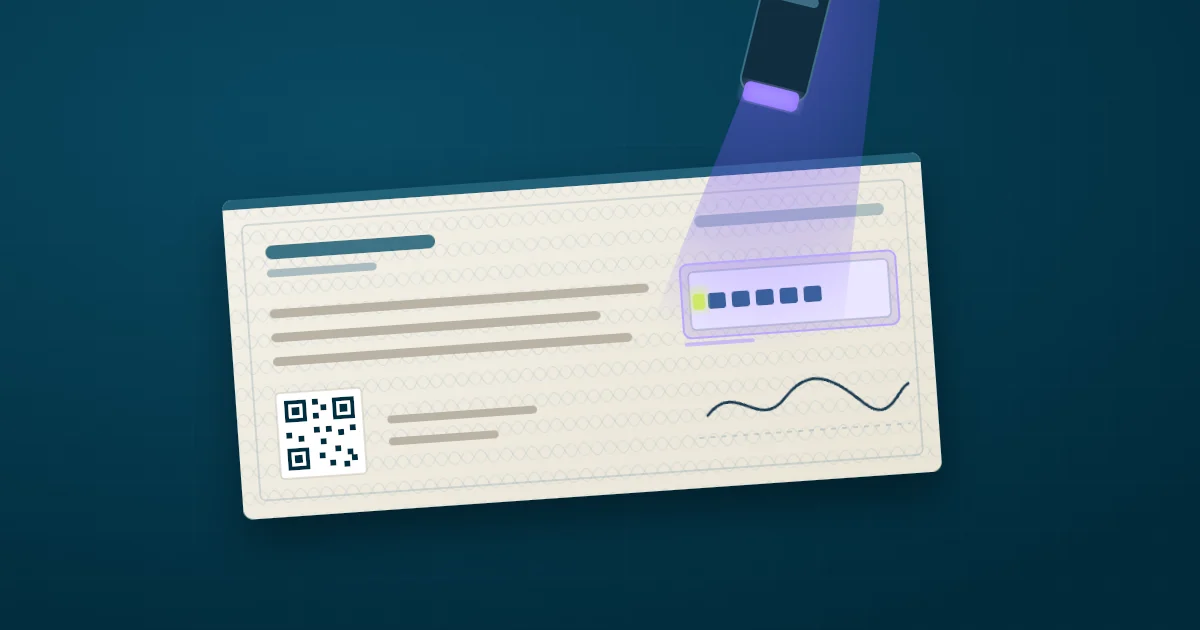
- Techniques used: microscopic analysis, examination under different light sources, calligraphic comparison
- Findings and evaluation
- Conclusion: Does the writing/signature belong to the same person or not?
The Limited Role of Personality-Based Handwriting Analysis
Although handwriting analysis is commonly associated in the public mind with personality assessment, in forensic document examination it is used solely in the sense of a technical analysis of writing characteristics. The aim is to determine who wrote a piece of writing or signature; no comment is made on personality traits.
Revealing the Truth on Paper
The reliability of promissory notes, cheques and contracts directly affects public confidence in the law. Forgery committed on these documents can lead to victimisation, litigation and serious legal consequences. By establishing the authenticity of these documents through handwriting and signature examination, forensic document examiners help guide the judicial process.
Technical writing analysis makes visible not only the writing, but also the truth.