
Promissory notes (senet) are among the most critical written documents with legal effect in commercial and personal agreements. Precisely because they are binding, attempts at forgery of promissory notes are something we encounter very frequently in forensic cases.
Cases involving a forged promissory note, which at first glance may look like a simple intervention or an ordinary change, are in fact constructed using specific technical methods. However, it should not be forgotten that no forgery is flawless. Every alteration can be conclusively detected through scientific examination and forensic document analysis carried out by experts.
1. The Forged (Imitated) Signature Method
The most common fraud attempt on a promissory note is the imitation of a signature that does not belong to the debtor. In forged promissory note detection, these signatures are usually the first element examined. Although they may look very similar to the genuine signature to the naked eye, signatures produced by imitation or by tracing over a genuine signature are easily exposed in the laboratory. In professional forged promissory note examinations, even the tiniest microscopic errors caused by the hand losing its natural rhythm constitute conclusive evidence.
- Tremor and hesitation marks
- Uneven pressure
- Unnatural line flow
2. Adding or Changing Text (Alteration)
Changing the date, name or content on a promissory note afterwards is one of the most frequently used alteration methods. It usually involves adding new text to the document or erasing existing writing and writing over it. For successful forged promissory note detection, not only the front of the document but also the physical texture of the paper and the structure of the ink must be examined using forensic methods. Thanks to the optical and chemical tests carried out in criminal laboratories, even the smallest text changes invisible to the naked eye are conclusively revealed.
3. Forgery of Figures and Amounts (Changing the Sum)
Malicious parties increasing the amount owed on a promissory note afterwards is one of the most damaging types of forgery financially. It typically appears as a zero added next to “1.000 TL” to make “10.000 TL” (TRY), or figures squeezed in between existing ones. In the forged promissory note detection work carried out in forensic laboratories, even the slightest morphological discrepancies between the original figures and the parts added later are clearly distinguished. Deterioration in line characteristics and differences in the pressure applied by the pen scientifically prove such alterations of the amount.
4. Digital and Photocopy Forgery (Signature Transfer)
With advancing technology, digital forgery has become one of the modern dangers we encounter most often in forensic cases. In this method, a person’s genuine signature is copied with high-resolution scanners or reproduced by photocopying and transferred to another promissory note. Although it may look flawless and identical to the original at first glance, such copies give themselves away immediately in laboratory forged promissory note detection. Rota Kriminal’s examiners use microscopic examination to identify pixel errors and the absence of pen pressure in digital transfers, and report the forgery on a scientific basis.
5. Window Forgery (Localised Manipulation)
One of the methods used by forgers and fraudsters is the “window promissory note forgery” method. In this method, malicious parties first research and plan in order to identify their targets. They then place blank documents, either promissory notes or documents that can be turned into promissory notes, inside specially designed set-ups made to look like courier delivery receipts, parcel delivery forms, official notification documents and the like, prepared in the name of the targeted persons. When the targeted persons sign what appear to be delivery receipts or notification documents, they are in fact unknowingly signing the promissory notes placed beneath the blank section, known as the window, inside the set-up. The signed blank notes are then removed from the set-up and filled in, making the signatory liable for a debt.
How Is Forgery Detected?
Promissory note forgery is not detected on the basis of a single suspicion or a superficial finding, but entirely through multi-faceted, scientific analysis. At Rota Kriminal, in our forged promissory note detection examinations we test and report findings according to universal standards:
1. Comparative Handwriting and Signature Analysis
This is the first and most fundamental forensic document examination step we take when determining whether a promissory note is genuine. Just like a fingerprint, every person has their own handwriting and signature characteristics. In the comparative analyses carried out in our forensic laboratory, the person’s individual writing habits are examined in detail. Line quality, writing rhythm, the pressure applied by the pen to the paper and the movement pattern of the hand are assessed microscopically to establish conclusively whether there is imitation or alteration.
2. Optical and Technical Examination (Laboratory Analysis)
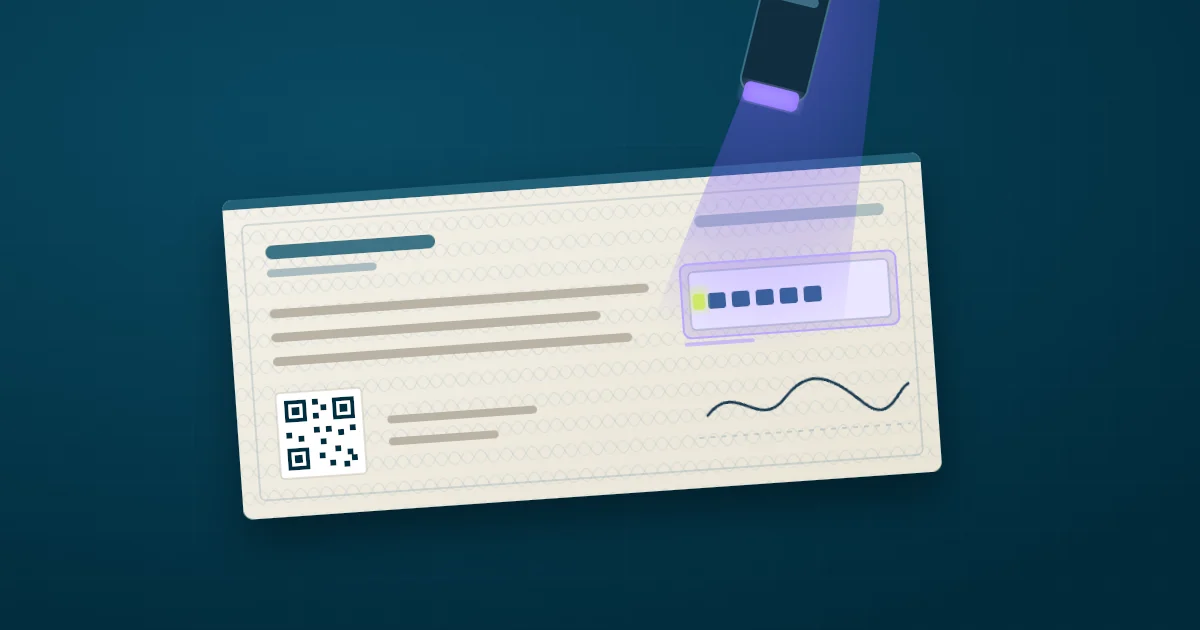
Once the handwriting and signature characteristics have been examined, the optical laboratory stage begins in order to test the physical integrity of the document. Professional forged promissory note detection requires revealing micro details and chemical traces invisible to the naked eye. Rota Kriminal’s examiners use advanced magnification systems, oblique light scans and UV/IR (ultraviolet and infrared) analysis at different wavelengths in combination to make hidden alterations, erasure marks and ink differences on the document clearly visible.
3. Advanced Equipment and Laboratory Infrastructure
In forensic document examination, high-tech laboratory equipment comes into play where the human eye falls short. Forensic equipment meeting international standards is used for rigorous forged promissory note detection in Rota Kriminal’s laboratories. With this equipment, all physical and chemical manipulations, from ink differences to paper deformations and from concealed writing to indentations, are turned into scientific, measurable reports suitable for submission in court proceedings.
4. Holistic Assessment and Conclusion
When reaching a final conclusion in promissory note examinations, no single finding is considered sufficient on its own. All the optical, physical and chemical data obtained are cross-checked against each other. The fundamental aim of Rota Kriminal’s forensic document analyses is not merely to focus on a single suspicious indicator, but to approach the forged promissory note detection process from every angle and provide the court with a report that is scientifically consistent, robust and based on conclusive evidence.
In conclusion, however flawless forgeries on promissory notes may look from the outside, they leave physical and technical traces on the document that cannot be erased. A signature can be skilfully imitated, figures can be tampered with, or localised manipulations can be made on the paper. However, in the light of forensic science and criminalistics, all these interventions come to light when line structure, writing habits, paper deformations and optical findings are assessed together. It should not be forgotten that forensic document examination is a process in which technical equipment, advanced analysis methods and the assessment of an experienced examiner work together. Thanks to this holistic approach, forgery attempts are not only detected but also proven with undeniable scientific data.
Frequently Asked Questions
How is a forged promissory note identified in the laboratory?
Forged promissory notes are not assessed on the basis of a single finding; they are examined using optical equipment, UV/IR light sources and digital microscopes. Signature imitation, ink differences and paper deformations are conclusively detected in the laboratory.
Can it be proven that figures on a promissory note have been changed (altered)?
Yes. The microscopic forms of figures or writing added later, the pressure exerted by the pen on the paper and the chemical structure of the ink used are distinguished from the original through optical examination, and the forgery is thereby proven.