
When Is Forensic Document Examination Needed?
The situations that call for a forensic document examination cover a very wide range. In any of the following cases, getting expert support both prevents the loss of rights and speeds up the judicial process:
In legal proceedings:
- Promissory notes, cheques or contracts bearing a signature you believe is not yours
- Challenges to wills or title deeds in inheritance cases
- Allegations of forgery in employment or tenancy agreements
- Suspected document manipulation in divorce proceedings
In commercial and corporate matters:
- Signature forgery on company documents
- Alteration of invoices, delivery notes or contracts
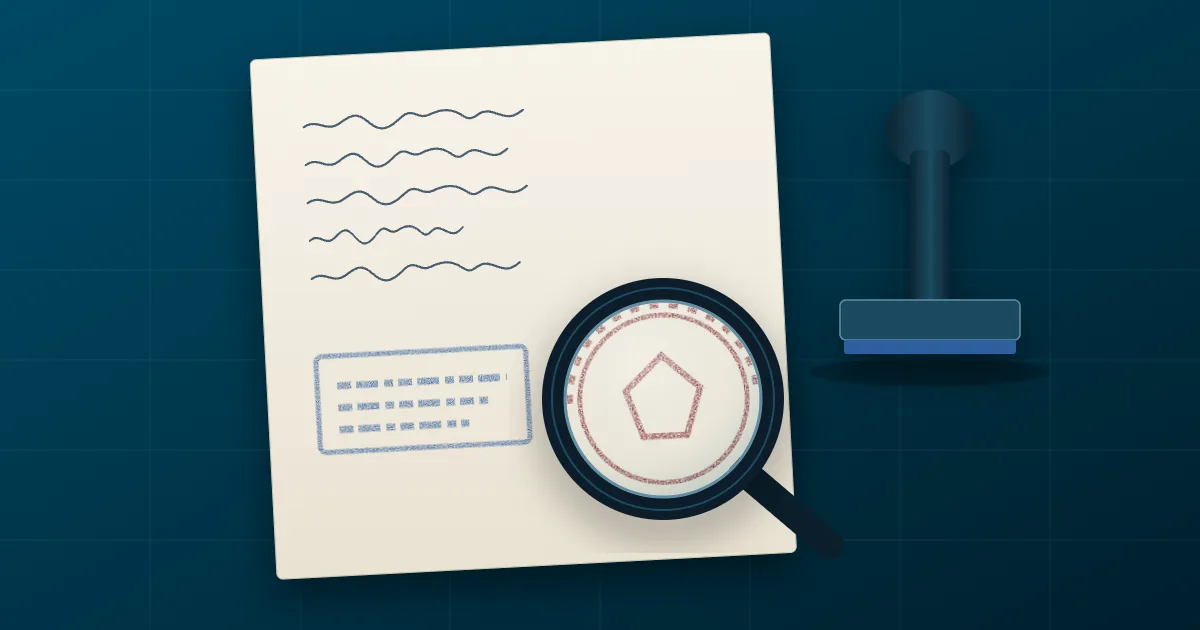
- Forgery of stamps and seals
In criminal proceedings:
- Accusations of, or complaints about, document forgery
- Forgery of bank documents, identity cards or passports
- Alterations made to official documents
How Is a Forensic Document Examination Carried Out?
A forensic document examination is a systematic process. Every document passes through five basic stages that lead to a conclusion:
The document is delivered to the Rota Kriminal laboratory. Its physical condition, paper structure and general state are recorded. At this stage, special protection protocols are applied to prevent any further damage to the document.
Reference material is of great importance in signature and handwriting examinations. Writing samples taken in the presence of the court, older documents and signatures of the person from different periods form a comparison pool.
What is a reference document? Read more →The examiner assesses between 25 and 30 universal parameters on the document. These include the speed of the signature, pressure distribution, continuity of movement, slant angle, starting and finishing points and characteristic habits. For handwriting, letter sizes, spacing, calligraphic features and the overall rhythm of the writing are evaluated.
Characteristic features of handwriting →The Forenscope DocEx system, a VSC (Video Spectral Comparator), digital microscopes and UV/IR light sources are used. These instruments make visible traces of alteration that cannot be seen with the naked eye, different ink layers, erased writing and physical indentations on the paper.
See the instruments we use →All findings are reported in the format of a scientific expert opinion that can be submitted to judicial authorities. The report contains the anomalies identified, the methods used, the reference comparisons and the concluding assessment.
About expert opinions and expert reports →What Are the Areas of Forensic Document Examination?
Forensic document examination covers several distinct areas of expertise. Each area requires techniques specific to different document types and forgery methods:
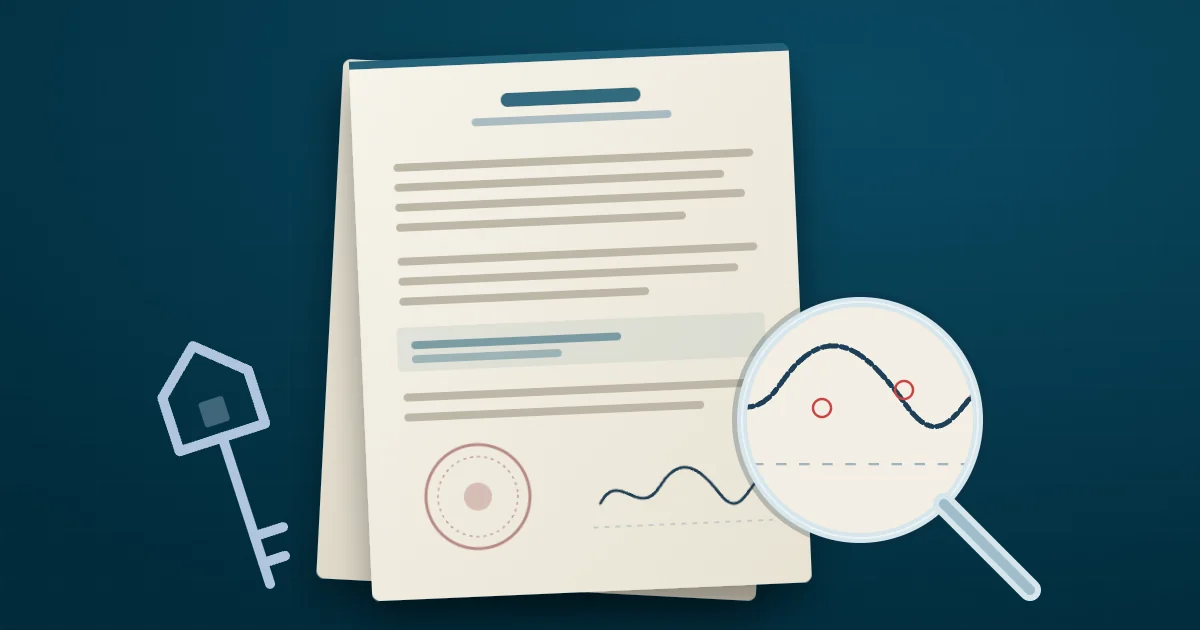
This is the most frequently requested area. Whether a signature belongs to a person, and whether it is an imitation or genuine, is established scientifically.
How is a signature examined? →Whether the handwriting on a questioned document belongs to a particular person is determined through comparative analysis with reference samples.
Why is everyone’s handwriting different? →This examination analyses whether writing, figures, dates or signatures on a document have been changed after the fact. Traces of manipulation such as chemical erasure, scraping and writing over paint are revealed through this examination.
Alteration examination processes →In forged promissory note and cheque cases, which are common in commercial life, the authenticity of the document, the authorship of the writing on it and any alterations are examined.
Forensic examination of promissory notes and cheques →Whether stamps and seals used on official documents are forged or genuine is analysed through their print quality and physical characteristics.
Detecting stamp and seal forgery →Technical analysis determines which printer a digitally produced document came from, and whether pages produced on different printers have been combined in the same document.
Computer-printed documents and printer analysis →Methods Used in Forensic Document Examination
Modern forensic document examination combines several analytical methods. Conclusions based on a single method are considered scientifically insufficient; for a reliable expert opinion, the methods must support one another:
Who Is a Forensic Document Examiner?

How Can Forged Documents Be Identified?
However skilfully a forgery is attempted, the traces it leaves cannot be erased completely. When examined by an expert with the right equipment, the following signs point to forgery:
What Is the Difference Between a Forensic Document Examination and a Private Expert?
A document examination can be requested in court in two different ways: through a court-appointed expert, or through a private forensic expert chosen by the parties themselves.
A private forensic expert opinion, i.e. a scientific expert opinion, is used in objection proceedings to argue that the court-appointed expert’s report is flawed, or for legal assessment before proceedings begin. You can find out more about expert opinions and scientific expert opinions.
The forensic document examination process is a comprehensive process carried out using scientific methods and expert assessment; it is not merely a comparison of a signature or a piece of writing. Every stage, from receiving the document and collecting reference material to technical comparisons and optical examination with advanced instruments, is of great importance in reaching the right conclusion. A reliable conclusion requires both sufficient comparison material and an examination carried out in line with scientific standards.